
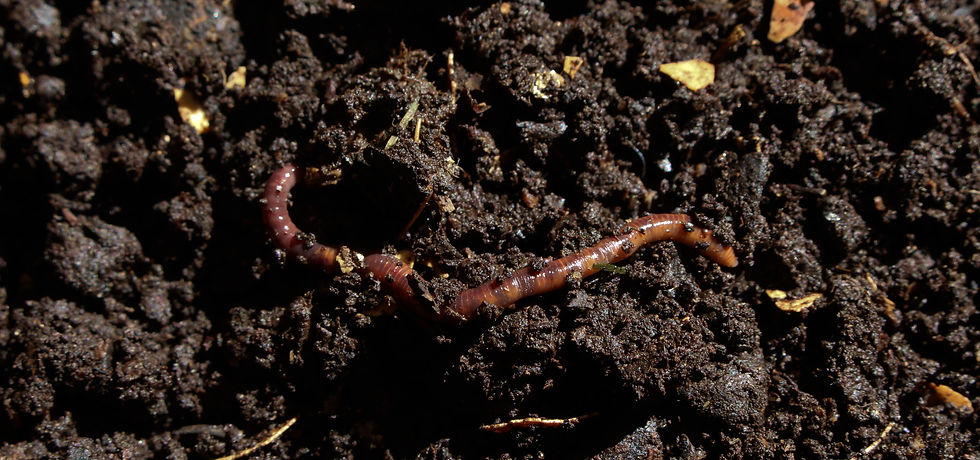
Composting
Composting bins are located on the western side of the garden. To ensure that our compost is purely organic, we use materials only from the garden itself. We do not accept materials brought from home, such as food scraps.
If you wish to compost at home, we recommend the services of Bennett Compost or any of the other companies listed on the Clean PHL list.
How It Works
The garden’s compost is created in a set of five wooden bins. Gardeners should add all new material into the first bin (the largest bin at the right) and take the finished compost that nourishes their plots from the last bin (at the far left). In between, volunteers turn all the contents from bin to bin at monthly intervals. The first turning stimulates heat from microbes, a process that optimizes the quality of the compost. When the final bin is filled up, the volunteers sift the materials into compost ready for use.
What to Do
When gardeners weed their plots, they are all responsible for sorting the material that can be composted from the material that belongs in the trash. In addition, the garden asks members to cut everything into small pieces (8” or less) before adding it to the compost.
What doesn’t belong in compost:
-
Wood branches (which can go in the wood pile), thorns, diseased plants, and salt hay
-
Aggressive weeds. Be especially careful to keep out Star of Bethlehem bulbs and seeds, any bindweed or Morning Glory that might contain seeds, and any bulbs..
-
Food waste from home
-
Manmade items (string, clasps, labels, etc.)
How to Help
Turning the compost piles is done regularly at monthly Saturday clean-ups, but anyone available for independent hours during the week just before or after a clean-up can make the job easier.
Contact Karyl Weber at karylwbr@gmail.com for instructions. Other instances where help is needed will be announced at garden meetings.